My Vellagavi Trek: Kumbakkarai to Kodaikanal in Two Days
The trek from Kumbakkarai Falls through Vellagavi to Kodaikanal was one of the toughest I have done. We started at roughly 400 metres above sea level and finished near 2,150 metres, going from a hot, exposed climb to heavy rain and then a cool morning in the hills.
Five of us cousins were part of the group. I had travelled from Bengaluru, the others from Chennai, and we met in Dindigul before taking a taxi to Kumbakkarai.
A late start from Kumbakkarai
We left Dindigul around 6:30 am and reached the starting point near Kumbakkarai Falls at about 8:45. By the time everyone had arrived and we finished the forms and photo formalities, it was 9:45 before we started walking.
One person in the group had already arranged for someone to carry his bag. I should have immediately picked up on that idea. I didn’t, and really paid for it.
I was carrying a 50-litre backpack with about five kilos of luggage, plus three bottles of water. The first two kilometres were not particularly difficult, but the bag was already making it difficult for me to move comfortably.
We took a break and started again. By then, the sun was really beating down. Several reviews had clearly warned about the heat. My backpack had little provision for airflow against my back, and I was sweating heavily. Soon the climb became a struggle.
The bag came off but recovery took time
Seeing me struggle, my cousin exchanged bags with me. Walking became easier immediately, but by then I was already dehydrated. Taking the weight off did not mean I was suddenly back to normal.
A horse came up the trail, and two of us did not miss that opportunity. We put our bags on it and continued slowly.


For the next hour or so, I climbed with frequent breaks, drinking fluids and eating energy bars. Gradually, I started feeling normal again. We were running short of water, though, and the heat and climb were relentless. I would put the temperature at around 35 degrees that day.
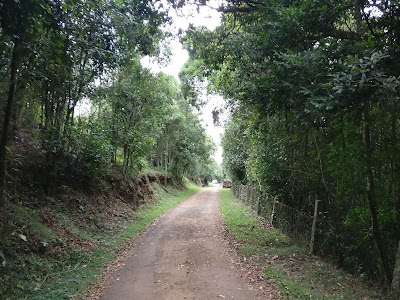
By about 1:30 pm, we had reached roughly 1,000 metres above sea level, around 600 metres higher than where we had started. The vegetation began changing from scrub forest to plantations with tall trees. It became cooler too. By this point I felt recovered and could push on.
We reached the only water source we came across at about 2 pm. We managed to fill only one bottle before the flow slowed to a trickle and the water became muddy. Our guide told us the rains had been inadequate and that, unless it rained in the next few days, they might have to stop the trek for a while.
That was the situation during our visit. Water availability is something I would check carefully before doing this route again.
Lunch and jackfruit at Vellagavi
We reached Vellagavi around 3 pm. As soon as we arrived, we removed our shoes and headed for food.
Lunch was simple, home-cooked food: rice, sambar, rasam, vegetables and buttermilk. Afterwards came one of the sweetest jackfruits I have ever eaten. We started with one bowl, then another, and eventually finished four bowls, along with the stock they had.
We rested for a while, lying down in one of the village’s many temples.
By 4 pm, clouds had rolled in and it was getting dark. Our stay was at Eagles Nest, a campsite about another hour away, with roughly 200 metres more climbing still to do.
From heat to heavy rain
It started pouring just as we left the village.
We had raincoats, but the rain was heavy and the thunder was getting louder and more frequent. We were worried about staying in one place, especially under the tall trees.
We reached the camp after about an hour and were wet by then. A couple of cups of tea helped.
The campsite had what looked like 30–40 tents, common bathrooms and a great view. Another group had come from the Kodaikanal side. They had chosen the moderate package, walking down to the camp and returning to Kodaikanal the next day.

The campfire started around 7:30 pm. We dried our shoes as much as possible, and that really helped the following morning. We retired around 10 pm, with the drizzle continuing through the night.
A much better second morning
We woke around 5:30 am. Some people were up early hoping to visit the sunrise point, but the drizzle kept them from going out.
Instead, we spent the morning taking in the views and enjoying the weather after the rain.


This time we had arranged for our bags to be carried by a pony. After a breakfast of hot idlis, we started walking around 9 am.
I was fully refreshed. With better weather and no heavy bag to carry, I made much better progress. Eagles Nest would have been somewhere around 1,400 metres above sea level, by my estimate, so there was still a substantial climb ahead.
We took much shorter breaks than on the first day. The route followed a horse path, and the final stretch before Dolphin’s Nose was particularly steep. We reached near Dolphin’s Nose around 11:30 am and said goodbye to our guide.
The walking was not quite over.
The last climb to the car
Before heading to the parking area, we had Maggi and some lovely passion fruit. Thankfully, we did, because the final walk to the road was steep and tiring.
It felt like another 1.5–2 kilometres from Dolphin’s Nose to where our pickup was waiting. That stretch was difficult for several people, and another trekker needed first aid on the final ascent.
We were well fed and had another reason to keep moving: one of us had a train to catch in Dindigul at 6 pm.
We reached the car around noon. By my estimate, we were at about 2,150 metres above sea level. From our starting elevation of around 400 metres, that was a net rise of roughly 1,750 metres over the two days.
We had a quick lunch at Astoria in Kodaikanal, picked up some chocolates and started back towards Dindigul.
What I would do differently
The first thing I would change is the bag. Carrying that load in the heat made the first day much harder for me. If help with carrying luggage is available, I would arrange it beforehand rather than wait until I was struggling.
I would also pay more attention to the starting time and water arrangements. We reached the starting point at 8:45 but began walking only an hour later. Much of the climb then happened in strong sun. On our visit, the water source on the way was limited and did not look good.
The difference between the two days was striking. On the first day, heat, sweating and the weight of the bag wore me down. On the second, after food and rest, with cooler weather and the luggage taken care of, I could enjoy the climb much more.
It was a very good trek, challenging and satisfying. The difficult first day was part of it, but so were the meal at Vellagavi, the jackfruit, the rain, the camp and the morning views.
By the time we were heading back to Dindigul, we were already making plans for the next one.

Planning this trek
Trek Tamil Nadu currently lists the Kumbakarai–Vellagavi–Kodaikanal camp-stay route as Tough, one-way and 14 km, with a nominal trekking duration of 12 hours. Our trip was spread over two days, with an overnight stay at Eagles Nest. Check current dates, access, water arrangements and luggage-carrying options before booking. These details were checked on 19 October 2026.


Comments
Post a Comment